Building a Minimalist Wardrobe: Quality Over Quantity
Learn how to create a functional, versatile wardrobe with fewer pieces that you actually love wearing every day.
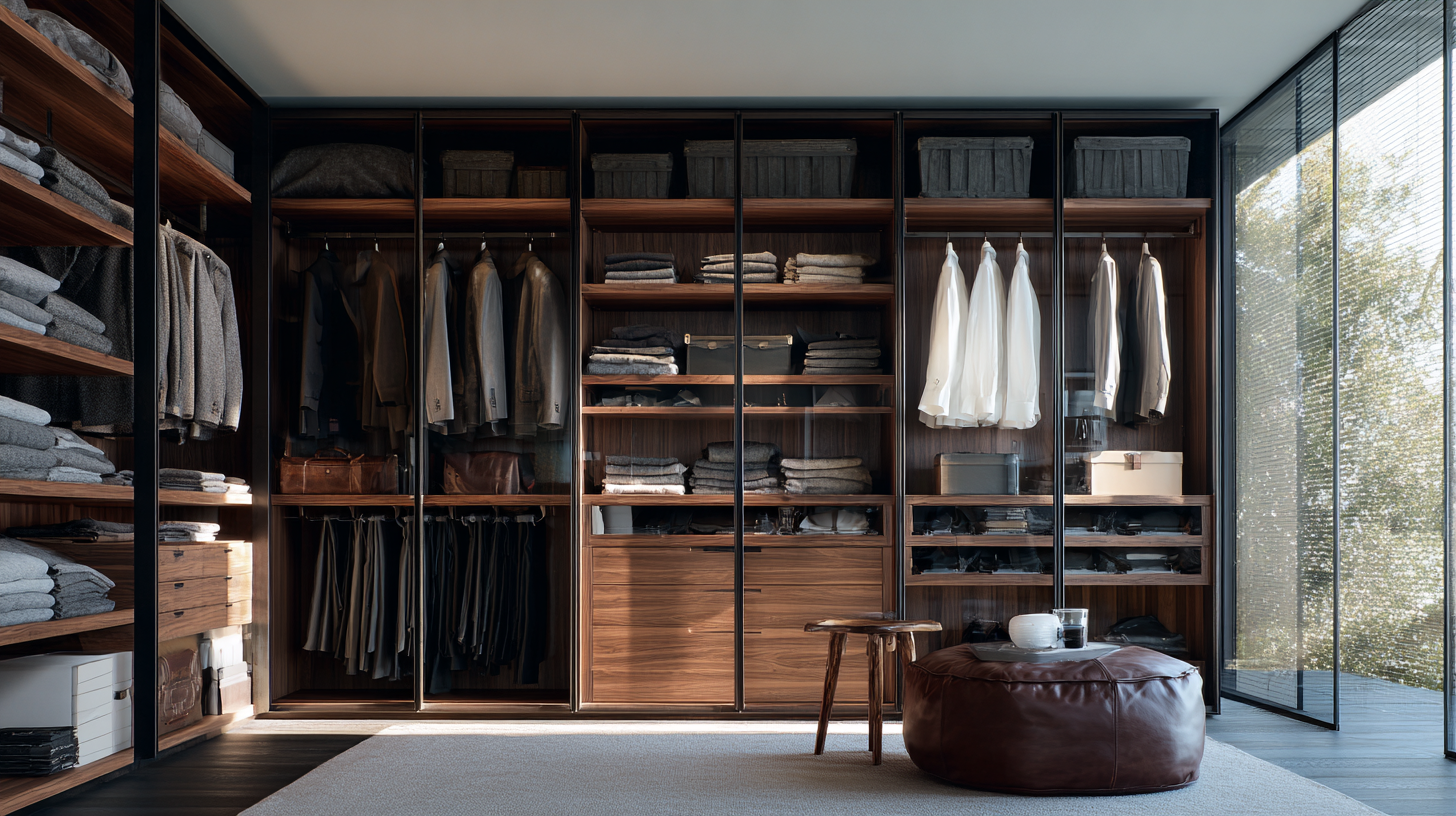
Most people wear a fraction of their clothing regularly while the rest takes up space, unused and forgotten. A minimalist wardrobe flips this pattern, focusing on fewer, better pieces that you actually wear and enjoy.
This approach saves money, reduces decision fatigue, and often results in looking better than a closet overflowing with mediocre options.
The Minimalist Wardrobe Philosophy
Minimalist wardrobes prioritize:
Quality over quantity: Fewer items of better quality last longer and look better.
Versatility: Each piece works with multiple outfits.
Personal style: Clothes that genuinely suit you, not trend-driven purchases.
Intentionality: Every item earns its place through regular use.
The goal isn't deprivation but rather owning clothes you truly love and actually wear.
Assessing Your Current Wardrobe
Before building a minimalist wardrobe, understand what you currently own and wear.
The Wardrobe Audit
Remove everything from your closet and drawers. Sort into categories:
Wear regularly: Items you reach for frequently and feel good wearing.
Occasionally wear: Seasonal items or special occasion pieces you use when appropriate.
Haven't worn recently: Items you own but don't choose to wear.
Doesn't fit or is damaged: Things you can't actually wear.
Be honest during this process. The item you might wear someday is likely the item you'll never wear.
Identifying Patterns
Look at your "wear regularly" pile and notice patterns:
- What colors dominate?
- What styles do you prefer?
- What fits your body well?
- What makes you feel confident?
These patterns reveal your actual style, which may differ from what you think your style should be.
Building Your Core Wardrobe
A functional minimalist wardrobe includes essential categories that can be mixed and matched.
Tops
Basic tees: 3-5 quality t-shirts in neutral colors that fit perfectly.
Button-down shirts: 2-3 versatile options (white, light blue, subtle pattern).
Casual shirts: 2-3 pieces that match your style (henleys, polos, or casual button-downs).
Layering pieces: 1-2 lightweight options for versatility.
Bottoms
Jeans: 2-3 pairs in different washes that fit well.
Chinos or casual pants: 2-3 pairs in versatile colors.
Shorts: 2-3 pairs for warm weather.
Outerwear
Lightweight jacket: Denim, bomber, or casual blazer.
Warm coat: A quality piece appropriate for your climate.
Weather protection: Rain jacket or weatherproof layer.
Knitwear
Sweaters: 2-4 quality sweaters in versatile styles and colors.
Cardigans: 1-2 for layering options.
Footwear
Casual shoes: 2-3 pairs (sneakers, loafers, or boots depending on style).
Dress shoes: 1-2 pairs for formal occasions.
Seasonal footwear: Sandals, winter boots, or rain boots as needed.
The Capsule Wardrobe Approach
A capsule wardrobe takes minimalism further with a fixed number of seasonal items.
How Capsules Work
- Select a specific number of items for each season (typically 30-40)
- Include tops, bottoms, dresses, outerwear, and shoes
- Exclude workout clothes, loungewear, and special occasion items
- Rotate seasonally, storing off-season items
Benefits of Capsules
Eliminates decision fatigue: Fewer choices makes getting dressed simpler.
Encourages creativity: Limited options inspire new combinations.
Highlights gaps: You quickly notice what's missing or unnecessary.
Prevents impulse purchases: New items must earn their place.
Quality Indicators
When investing in fewer items, quality matters more.
Fabric Quality
Natural fibers: Cotton, wool, linen, and silk generally outlast synthetics.
Weight: Heavier fabrics often indicate better quality.
Feel: Quality fabric feels substantial and smooth.
Construction
Seams: Check for straight, secure stitching with no loose threads.
Buttons: Quality buttons are securely attached with no loose threads.
Hems: Clean, even hems indicate careful construction.
Pattern matching: Stripes and patterns should align at seams.
Fit
Even the highest quality garment looks poor if it doesn't fit. Prioritize fit above all else, and consider tailoring for important pieces.
Building Slowly
Transitioning to a minimalist wardrobe is a process, not an overnight transformation.
The One-In-One-Out Rule
When you add something new, remove something old. This prevents closet growth while allowing gradual improvement.
Strategic Purchasing
Don't rush to fill perceived gaps. Live with your reduced wardrobe and notice what you actually need versus what you think you need.
Saving for Quality
A quality sweater costs more than a cheap one but lasts years longer. Save for quality rather than buying inferior items immediately.
Common Mistakes
Going Too Minimal Too Fast
Extreme reduction often leads to repurchasing. Remove items gradually, living with less before committing to permanent removal.
Ignoring Your Actual Life
Build a wardrobe for your real life, not an aspirational one. If you work from home, don't prioritize business formal wear.
Choosing Practical Over Personal
Minimalism doesn't mean boring. Keep pieces that express your personality, even if they're not the most versatile.
Neglecting Maintenance
Quality items require care. Learn proper washing, storage, and minor repairs to extend garment life.
Maintaining Your Minimalist Wardrobe
Regular Reviews
Assess your wardrobe seasonally. Remove items that no longer fit, feel worn, or go unworn.
Mindful Shopping
Before purchasing, ask:
- Do I need this, or do I just want it?
- Will I wear this at least 30 times?
- Does it work with what I already own?
- Is this the best quality I can afford?
Care and Storage
Proper washing: Follow care labels and wash items only when needed.
Good hangers: Invest in quality hangers that maintain garment shape.
Seasonal storage: Store off-season items properly to extend their life.
Quick repairs: Address loose buttons and small tears immediately.
Beyond Clothes
The minimalist approach extends to accessories, bags, and jewelry.
Accessories
Focus on versatile, quality pieces that enhance multiple outfits rather than statement items worn once.
Shoes and Bags
A few quality bags and shoes serve better than many mediocre ones. Choose items that complement your core wardrobe.
Jewelry
Classic, quality pieces worn frequently outvalue a collection of trendy items worn rarely.
A minimalist wardrobe isn't about deprivation or sacrifice. It's about intentionally curating a collection of clothes you love and actually wear, freeing yourself from the burden of an overflowing closet filled with items that don't serve you.
Tags
Written by
Taylor Chen
A contributing writer at InsightWireDaily. Our team is dedicated to providing well-researched, accurate, and helpful content to our readers.
Learn more about our teamRelated Articles
Indoor Plants for Beginners: Easy-Care Houseplants
Discover low-maintenance houseplants that thrive with minimal care, perfect for beginners or busy people who want to bring greenery indoors.

Morning Routine Optimization: Start Your Day Right
Design a morning routine that energizes you, increases productivity, and sets a positive tone for your entire day.

Digital Detox Strategies: Reclaiming Your Attention
Practical approaches to reducing screen time, breaking phone addiction, and creating a healthier relationship with technology.